
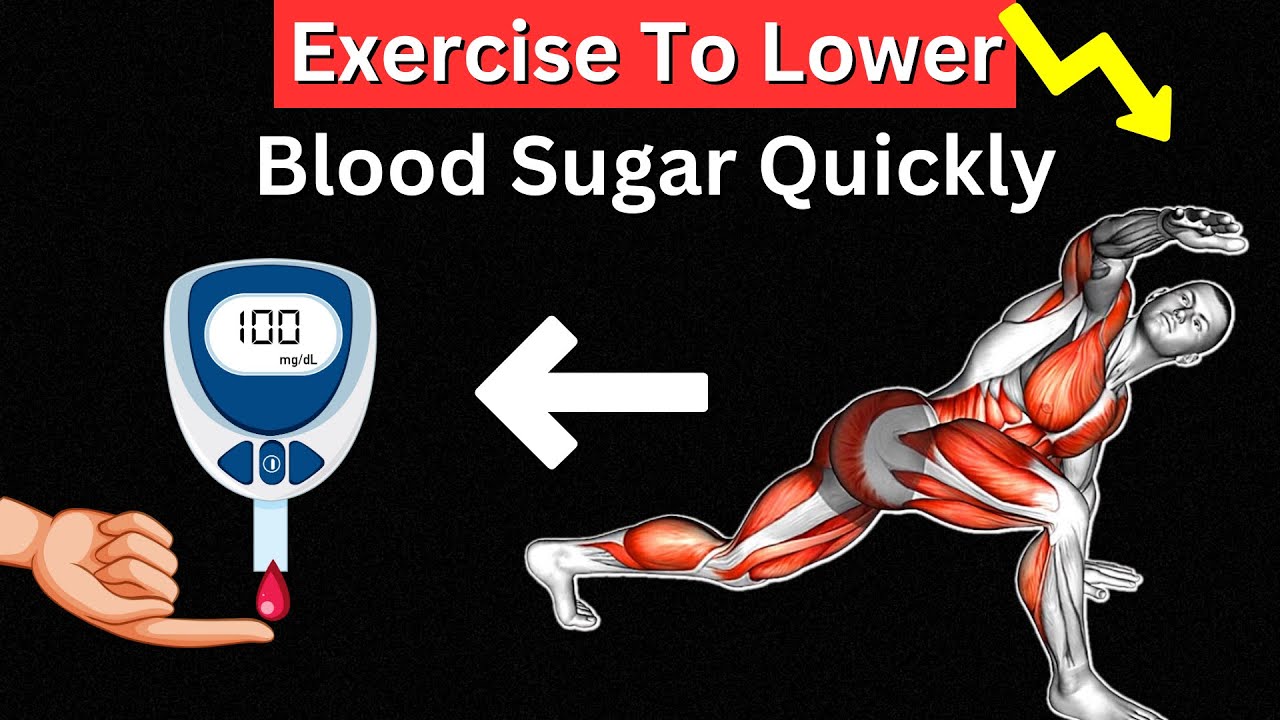
High blood sugar can be lowered through dietary adjustments, regular aerobic exercise, resistance training, high-intensity interval training, and increased daily activity. High blood sugar may be related to genetic factors, poor eating habits, obesity, insulin resistance, and pancreatic disease.
I. Dietary Adjustments
Dietary adjustments are the foundation of blood sugar control, maintaining stable blood sugar levels by adjusting the types and amounts of food consumed. Choose low-glycemic index foods such as whole-wheat bread, oats, and legumes. These foods are digested and absorbed more slowly, helping to prevent a sharp rise in blood sugar after meals. Increase vegetable intake, especially leafy green vegetables, which provide abundant dietary fiber and slow down sugar absorption. Distribute meals reasonably, avoiding overeating. Each meal should include adequate amounts of high-quality protein and healthy fats, such as fish and nuts, to help maintain stable blood sugar. Reduce the intake of refined carbohydrates and sugary drinks, and replace desserts with fruit to effectively reduce blood sugar fluctuations. Long-term adherence to dietary adjustments, combined with an individualized nutrition plan, has a positive effect on improving insulin sensitivity and weight management.
II. Regular Aerobic Exercise
Regular aerobic exercise improves the body’s sensitivity to insulin, promotes the uptake and utilization of glucose by muscle cells, and thus lowers blood sugar levels. Moderate-intensity aerobic exercise such as brisk walking, jogging, swimming, or cycling is recommended for at least 150 minutes per week. The best time to exercise is about one hour after a meal, when blood sugar levels are higher, allowing for more effective use of blood glucose for energy. Warm up for 5-10 minutes before exercising and cool down afterward to avoid drastic fluctuations in blood sugar. Regularly monitor blood sugar levels before and after exercise to understand individual responses and adjust exercise intensity and duration. For individuals with chronically high blood sugar, gradually increase exercise intensity and avoid exercising on an empty stomach to prevent the risk of hypoglycemia.
III. Resistance Training
Resistance training increases basal metabolic rate by increasing muscle mass, enhancing the muscles’ ability to uptake and utilize glucose. Use dumbbells, resistance bands, or bodyweight for training, 2-3 times per week, targeting major muscle groups such as the legs, chest, and back. Repeat each exercise 8-12 times until moderate fatigue is achieved, with rest periods between sets limited to 60 seconds. Resistance training can improve insulin resistance and promote glycogen synthesis, and long-term adherence can lower fasting and postprandial blood glucose levels. Consult a doctor or professional coach before training to design a personalized plan based on your health condition, and pay attention to proper form to prevent injury. Combining aerobic exercise and resistance training has a more significant synergistic effect on blood glucose control.
IV. High-Intensity Interval Training (HIIT)
HIIT effectively improves cardiopulmonary function and insulin sensitivity by alternating short periods of high-intensity exercise with rest. For example, sprinting for 30 seconds followed by 90 seconds of rest, repeating multiple sets, or using interval running, skipping rope, etc. This training mode can consume a large amount of blood glucose in a short time and produce an excess post-exercise oxygen consumption effect, which can lower blood glucose for several hours. It is suitable for people with a certain level of exercise experience, 1-2 times a week, for a total of 20-30 minutes each time. Before starting, assess your cardiovascular health to avoid excessive exercise intensity that could lead to risks. Monitor your body’s response during exercise; stop immediately if dizziness or palpitations occur. Combining HIIT with traditional aerobic exercise can optimize blood glucose control.
V. Increase Daily Activity
Increasing daily activity levels helps manage blood sugar through non-exercise calorie expenditure and is suitable for long-term adherence by all individuals. Choose walking instead of short-distance car rides, use stairs instead of elevators, and stand and stretch regularly at work. Household chores such as cleaning and gardening also increase energy expenditure and promote blood sugar utilization. Utilize spare moments for simple activities, such as stretching in the office or stepping while watching TV; the cumulative effect is beneficial for blood sugar control. Wear an activity tracker to set daily step goals and encourage an active lifestyle. While the effect of this low-intensity, continuous activity on improving insulin sensitivity is slower, it is easily integrated into daily life and highly sustainable. Combining it with structured exercise can comprehensively improve blood sugar management.
People with high blood sugar should follow a gradual progression principle when exercising, starting with low-intensity activities and gradually increasing the difficulty. Monitor blood sugar changes before and after exercise, and avoid exercising when blood sugar is too high or too low. Wear appropriate athletic shoes and clothing to prevent foot injuries and skin chafing. Maintain adequate hydration, especially during prolonged exercise. Combine a balanced diet and regular sleep schedule, and regularly check blood sugar levels and glycated hemoglobin. If you experience chest pain, difficulty breathing, or persistent dizziness, stop exercising immediately and consult a doctor. Individualized exercise plans should take into account age, complications, and medication use, and should be adjusted under the guidance of a doctor.